CNC Turning

Focus on cnc machining precision components,your best choose.

  1. Home
  2. »
  3. Machining
  4. »
  5. CNC Machining
  6. »
  7. CNC Turning

CNC Turning Services

Our CNC Turning Capabilities

This video shows our powerful CNC turning workshop, the robot arm can save us a lot of labor costs, so we can provide very competitive prices and allow us to deliver high-quality products to customers in time.

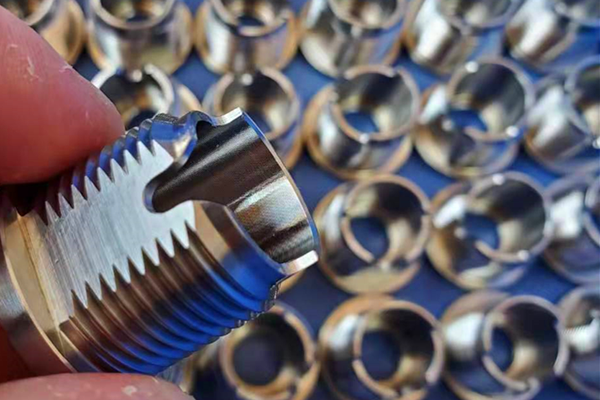
Our experienced engineers are able to select the right tools, optimize tool paths to cut fast and achieve good turning surface, as well as keeping tight tolerance. We can provide all types of custom CNC turned parts to meet your project needs and we also can though second machining to reach more tight tolerance,

If you are having any problem to get your CNC turning parts done, contact us and try to get a solution from BOYI PRECISION.

CNC Turning Materials & Surface Finishing Options

Plastics

CNC turning plastics is the most common and economic way to review the appearance and function of your design.
Metals

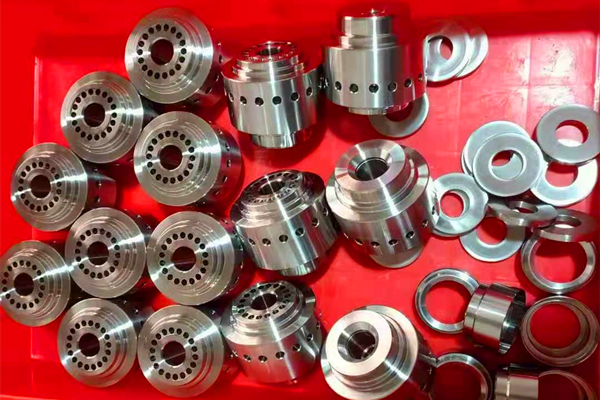
CNC turning is popular way to create metal prototypes and end-used parts. Common metals include aluminum, magnesium, steel, titanium,stainless steel brass, copper, etc.
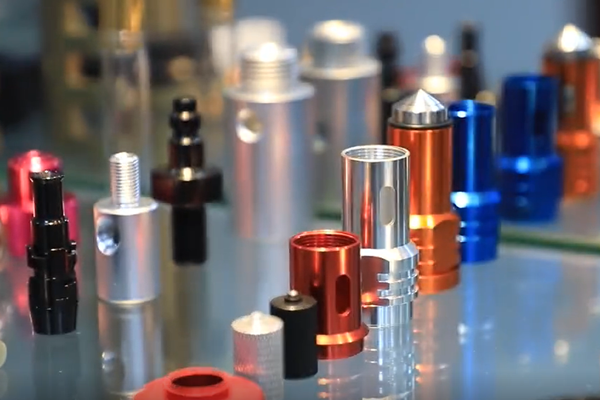
Surface Finishing

Do different surface treatments to increase the durability and aesthetics of the parts, such as; High gloss polishing, Painting, Tinted, Anodized, Chromed & Metallizing, Logo & Symbol, Powder Coat, etc.

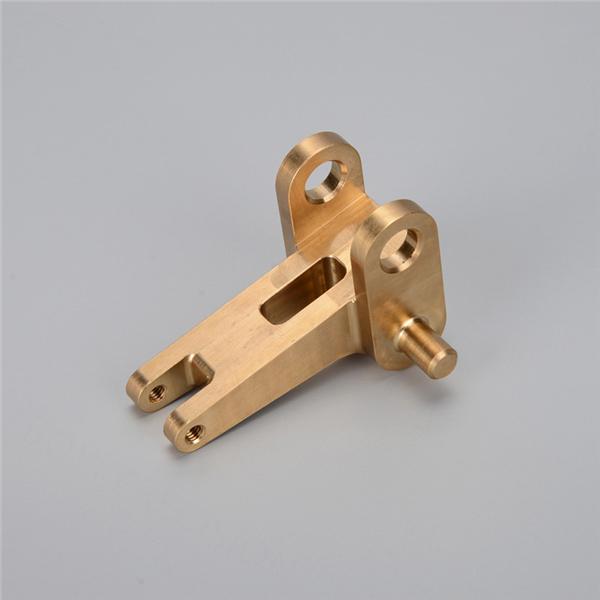
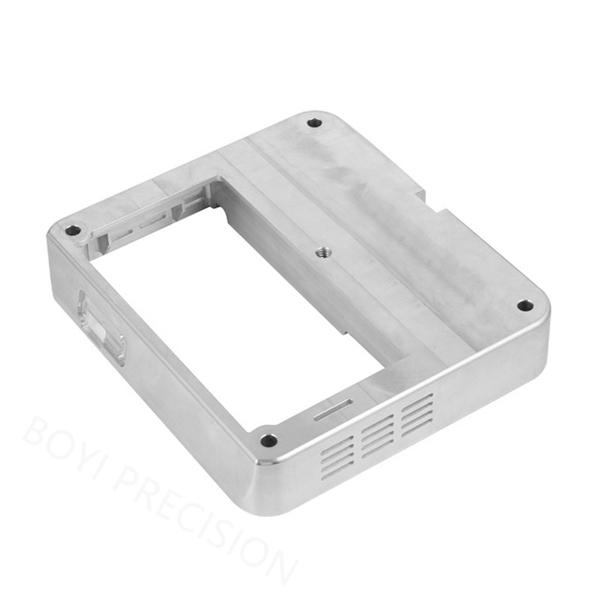
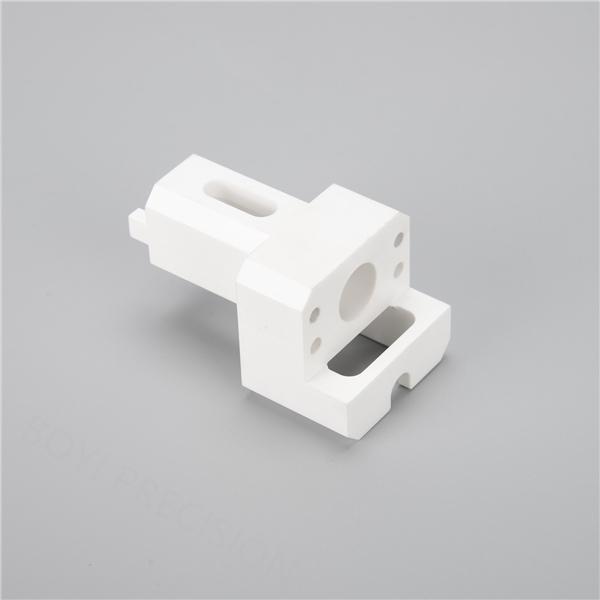
Photo Gallery -CNC Milling

Our Advantages of CNC Turning

Our each CNC turning machine with one robot arm, the robot arm can save us a lot of 50% labor costs, so we can provide very competitive prices and allow us to deliver high-quality products to customers in time.
After manufacturing is complete, an optical comparator, also known as a projector, is used to inspect components, precisely measuring their dimensions and comparing them to the original dimensions of the CAD model. Any inconsistencies detected by the projector are alerted in a detailed inspection report.
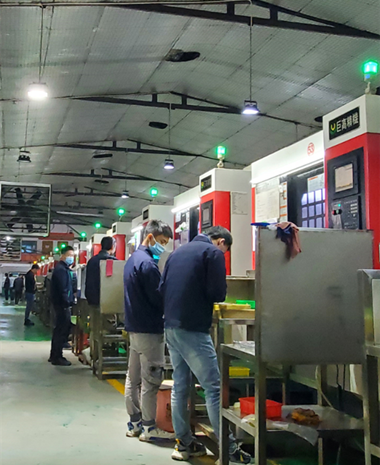
We have a total of 110 CNC-3, -4, and -5 axis milling machines. The powerful processing workshop can provide you with fast delivery time and high-quality milling precision parts, whether it is large batch or small batch, simple or complex precision Parts, BOYI PRECISION can meet your needs,

Typical CNC Milling Parts That We Offer

CNC turning is a very flexible way to create prototypes or manufacture large numbers of end-use parts. Coupled with a variety of turning materials to choose from, but limited to round materials, it is suitable for most types of projects. Our CNC experts know how to cut parts quickly to reduce costs, and how to turn complex geometries in different materials with tight tolerances. We have delivered millions of high-quality CNC turned parts to customers around the world.

Custom Bushing

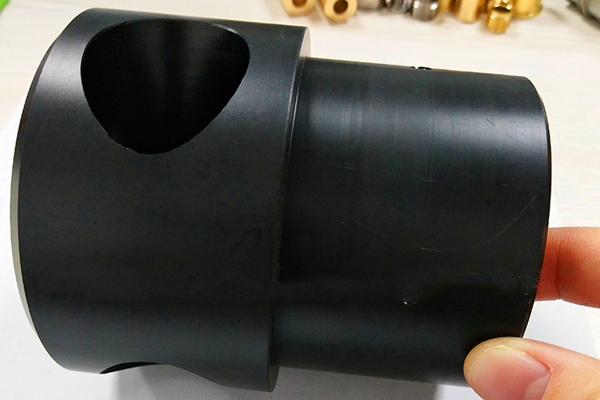
CNC turning can finished precision turning, like bushing, Aluminum bushing, stainless steel bush, plastic thread bushing, steel Knurled bushing and other adapter sleeve , valve sleeve can be turning.

Automation Equipment parts

Parts like guide pins, shaft pins, core pins, dowel pins, valve seat, valve core which require complex geometry and tight tolerance. after finished turning then precision grinding (internal grinding or Cylindrical grinding).

New Energy Battery Components

New energy battery parts are inseparable from CNC turning. We can complete high-precision parts according to your requirements.

Electronic Communication parts

We strictly follow the parts drawings to produce and control the precision tolerances of each size to ensure that the accuracy of each part can meet the needs of customers.

Equipment Core Components

We can Machining oil & gas exploration & mining equipment, geological prospecting equipment, precision core components,
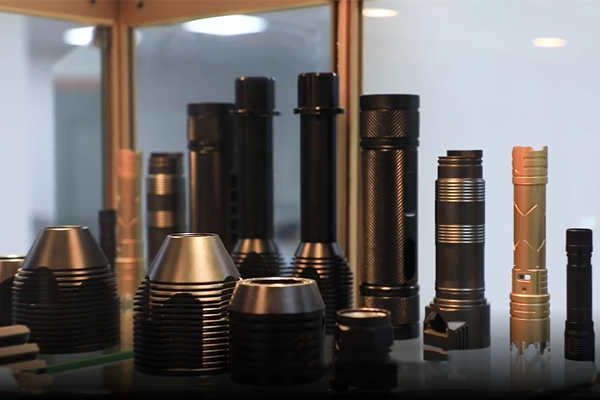
Custom Flashlight enclosure

CNC turning flashlight enclosure, aluminum flashlight housing, stainless steel flashlight outer shell, Surface treatment such as anodizing, sandblasting, etc. can be done according to the requirements of the parts.

Overview: What is CNC turning?

CNC turning is a particular form of precision machining in which a cutter removes material by making contact with the spinning workpiece. The movement of the machinery is controlled by computer instructions, allowing for extreme precision and repeatability.
CNC mills have a “worktable” and work holding device to keep a block of material — known as the “workpiece” — in place. The worktable may or may not move, depending on the style of the machine. During the CNC milling process, the rapidly rotating cutting tool makes contact with the workpiece, cutting away material. The tool moves according to the G-Code instructions so that cuts are made in the right places until the part is finished. Some CNC mills use moving worktables to create a greater number of cutting angles. CNC mills can cut through hard metals. This makes them more versatile than CNC routers, which are similar to 3-axis mills but less capable of penetrating hard materials.
CNC mills are often defined by their number of axes. More axes mean they can move their tool and/or workpiece in a greater number of ways, giving greater cutting flexibility and the ability to make more complex parts in a shorter time. 3-axis: Standard CNC mills have 3 axes, allowing the spindle (and attached cutting tool) to travel along the X, Y and Z axes. If the cutting tool cannot reach an area of the part, the part must be removed and manually rotated. 4-axis: Some CNC mills incorporate an extra degree of movement by rotating on a vertical axis. This enables greater flexibility and the ability to create more complex parts. 5-axis: The most advanced type of widely used CNC mill is the 5-axis mill, which incorporates two extra degrees of movement, often by adding rotation to both the worktable and spindle. Parts usually don’t require multiple setups, since the mill can manipulate them into different positions.
3-axis: Standard CNC mills have 3 axes, allowing the spindle (and attached cutting tool) to travel along the X, Y and Z axes. If the cutting tool cannot reach an area of the part, the part must be removed and manually rotated. 4-axis: Some CNC mills incorporate an extra degree of movement by rotating on a vertical axis. This enables greater flexibility and the ability to create more complex parts. 5-axis: The most advanced type of widely used CNC mill is the 5-axis mill, which incorporates two extra degrees of movement, often by adding rotation to both the worktable and spindle. Parts usually don’t require multiple setups, since the mill can manipulate them into different positions.

Start Your Project With A Free Quote

Edit Content
Click on the Edit Content button to edit/add the content.
en_USEnglish