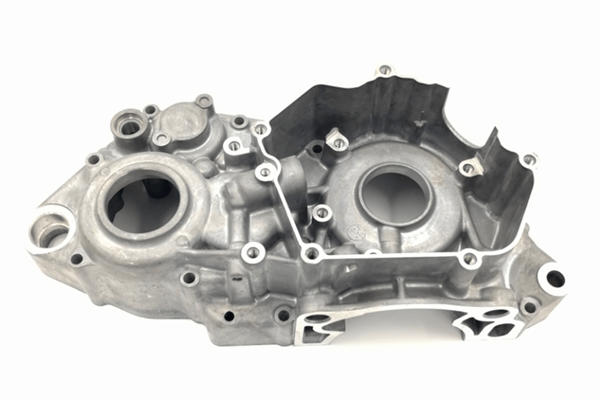
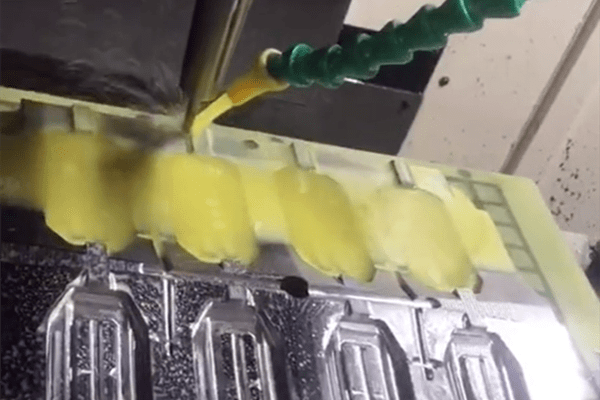
Die-casting parts in most industries require CNC turning or milling or turning-milling composite finishing after die-casting blanks. we can not only provide 3-, 4- and 5-axis CNC milling services but also provide you with CNC multi-axis milling services, secondary Machining and precision assembly services.
All of our tools start with design for manufacturing, where we talk with our customers to make sure any shortfalls for the part can be vetted and corrected before the tool is built. Modifying die features on the front end will help to improve the final part but also increase the overall quality of the tool. During this design phase, we can also predict where the tool will wear and create removable inserts for the tool that can save time and maintenance. We design our tools to run with minimal downtime.
If you are having any problem to get your Die Casting parts done, contact us and try to get a solution from BOYI PRECISION.

Our dedicated team of over twenty highly trained and experienced design engineers help you design of die cast tooling for production, all die cast tooling design and production on BOYI PRECISION workshop finish for good control the tooling quality.

Our dedicated team of over twenty highly trained and experienced design engineers will work with you from early in your project to ensure your component is designed with manufacturing in mind, so you avoid expensive secondary operations like machining or extra assembly steps. Our goal is always to determine the best design, materials and methods which will deliver optimum results for your product.
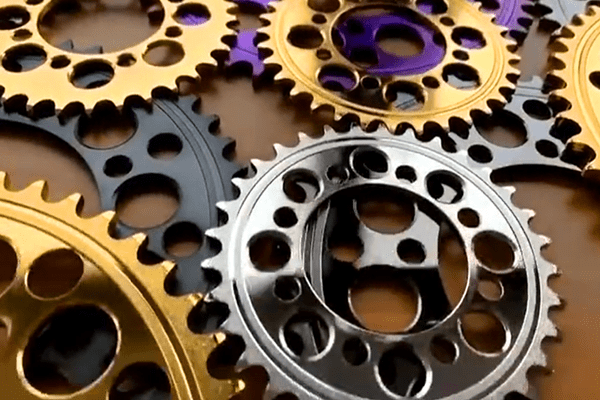
Do different surface treatments to increase the durability and aesthetics of the parts, such as; Abrasive Blasting/Sandblasting/Burnishing/Chemical-mechanical planarization (CMP)/Electropolishing/Grinding/Industrial etching/Linishing/Tumbling/Vibratory finishing/Polishing/Buffing/Shot peening/Magnetic field-assisted finishing etc, External surface finishes are applied to components if the parts require a decorative finish or corrosion resistance.


When it comes to machining, different metals require different processes.
There is usually very little machining required on our precision zinc die castings because of the accuracy we obtain. The machining characteristics of zinc and zinc alloys are excellent and a wide range of machining processes can generally be used.
Magnesium die casting alloys’ close-packed hexagonal structure makes them well-suited for the machining process.
The most widely used die casting alloy, Aluminum Alloy 380, is very good for machining purposes.

Air valve for lowering trucks and buses/Blade bearing for electronic automotive key/Capless fuel filler/Engine cooling fan/Gear shifter/Head for automotive key/Head for electronic automotive key/Heat sink for LED headlights/Ignition & lock housing for steering wheel/Push button style key ring-Electronic key/Seat belt latch.
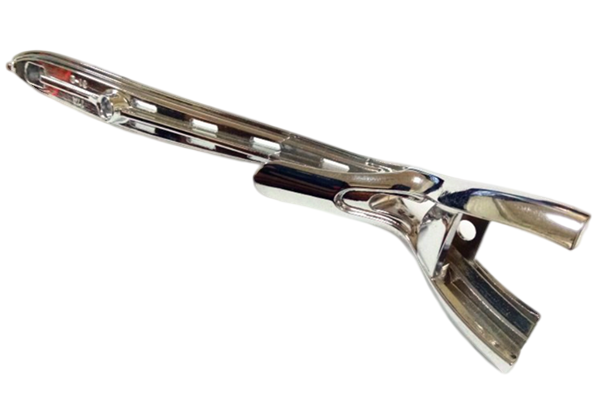
Brush, Razor handle, Mount base Shaving/Handle for razor.

Bezel for a smart watch/Camera base/Camera chassis/Camera housing on a consumer drone/camera housings/camera lens water-housing/Cell phone frame/Clasp for wearable device/coupling on consumer printer/Camping headset/HD headphones/Heat sink for waterproof camera/Heat sink for wireless speaker/Housing for ear buds/Lines cover frame and frame cover/mobile microphone/Optical drive bracket for DVD player/Over-Ear headphones with built-In screens for audio and video/Phone front cover/Smart lock/Stand for tablet/Tablet frame /Thermal camera/Video game cover.
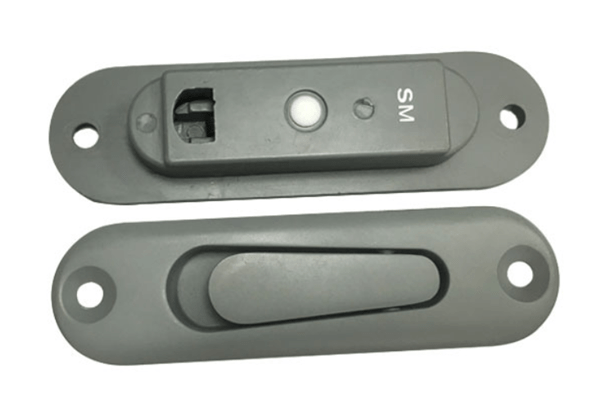
Cartridge adhesive applicators/Foot base for triple-function power tool/Handle for secure door/Lock plugs for deadbolts/Motor balance for power sander.
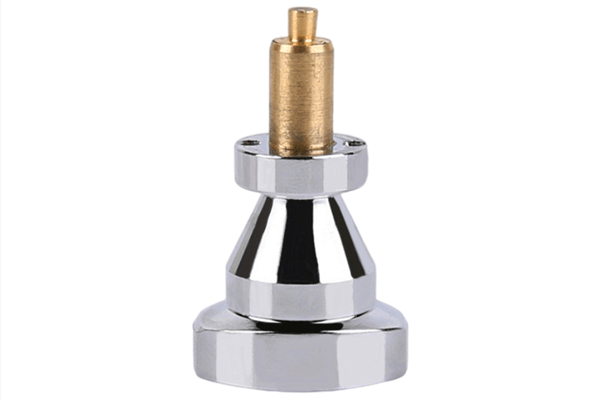
Electronic housing for stethoscope /Hot plate for medical humidifier/Internal parts for portable oxygen concentrator/Toothbrush base and shaft.

Cell tower components/Frame for 2-way radio/Frame for an enterprise-class handheld computer/Radio assembly for satellite systems/TV outlet cover
Die casting is a manufacturing process for producing accurately dimensioned, sharply defined, smooth or textured-surface metal parts. It is accomplished by forcing molten metal under high pressure into reusable metal dies. The process is often described as the shortest distance between raw material and finished product.
“gravity die casting” refers to castings made in metal molds under a gravity head. It is known as permanent mold casting in the U.S.A. and Canada. What we call “die casting” here is known as “pressure die casting” in Europe.
Aluminum is commonly employed in pressure die-casting, but is prone to cracking or shrinking at high temperatures, so it is often alloyed with copper or silicon. Combining aluminum with these metals greatly increases its hardiness and fluidity. Since it has high dimensional stability, aluminum is used to create components with thin walls and complex shapes. Due to its corrosion resistance, aluminum is also beneficial in components that will face exposure to thermal or electrical energy.
Aluminum castings are lightweight and able to withstand the highest operating temperatures of all die cast alloys.
Aluminum Alloy Characteristics:
Aluminum’s strength, corrosion resistance, and heat dissipating properties offer mechanical designers significant advantages. And our proprietary Thin Wall Aluminum Technology has made aluminum die casting an option for even more applications.
Advantages of Aluminum Die Casting:
One of the most significant benefits of aluminum die casting is that it creates lighter parts—with more surface finishing options than other die cast alloys. Aluminum can also withstand the highest operating temperatures of all the die cast alloys. Moreover, cast aluminum is versatile, corrosion resistant; it retains high dimensional stability with thin walls and can be used in almost any industry.
Aluminum Die Casting Applications:
Milling is different to CNC turning, another popular CNC service in which a single-point cutting tool is used to cut the workpiece from block or bar materials while it is rotated at speed in a chuck. Unlike milling, CNC turning is generally used to create round or tubular shapes.
CNC milling can be used for the rapid manufacture of either prototypes or end-use parts
Zinc pressure die casting is a relatively easy process as it maintains high strength at room temperature, but can be alloyed with aluminum to further improve these qualities. Zinc has a lower melting point than aluminum and is suitable for hot-chamber casting. It is also valuable in the manufacture of products that require high precision and sturdiness, such as connectors and gears.
Zinc alloy characteristics:
Zinc’s high strength and hardness lends itself to many solutions and it’s the ideal alternative to machined, pressed, stamped, and fabricated components.
Applications for Zinc:
Magnesium is strong, rigid, fully recyclable, and is the ideal alloy for saving weight when you don’t want to sacrifice durability.
Advantages of Magnesium Die Castings:
There are many benefits to casting with magnesium. Not only is magnesium the lightest of all the structured materials but it has excellent stiffness and strength-to-weight ratios. Additionally, it has outstanding EMI and RFI shielding properties, perfect for connectors and electrical housings. It is also utilized for medical and laboratory equipment to provide protection against other interfering signals in a hospital room.
Other benefits of magnesium die castings include:
You can reach us: